Investing in the solar panels, even worth it?
June 8, 2026
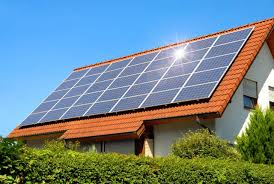
With electricity bills steadily climbing year after year, more homeowners are looking at their roofs and wondering: Is investing in solar panels actually worth the money, or is it just marketing hype?The short answer is yes, rooftop solar is one of the highest-yielding investments available to a homeowner today. Unlike a car that depreciates the moment you drive it home, a rooftop solar system acts like a mini-power plant that prints money by wiping out your monthly utility bills.Let's look past the marketing pitches and break down the actual hard data, upfront costs, government support, and return on investment (ROI).The Upfront Costs: What Are You Actually Paying?Solar panel installation costs vary depending on the system's size, component quality, and the type of roof. For a standard medium-to-large home, a 3 kW to 5 kW on-grid solar system is typically the sweet spot.In the current market, the typical investment breakdown looks like this:
System Size
Ideal For
Total Cost (Before Subsidy)
3 kW System
Small-medium homes (Fans, lights, TV, fridge, 1 AC)
₹1,70,000 – ₹2,10,000
5 kW System
Medium-large homes (Multiple ACs, washing machine)
₹2,80,000 – ₹3,20,000
Note: These figures apply to standard on-grid systems. If you choose a hybrid system with lithium battery storage to handle long power cuts, expect the upfront cost to increase significantly.Slash Costs with Government SubsidiesThe true financial magic happens when you apply government incentives. Under the central government's national PM Surya Ghar: Muft Bijli Yojana, the government directly credits massive, fixed subsidies into your bank account 30 to 45 days after installation:
1 kW System: ₹30,000 subsidy
2 kW System: ₹60,000 subsidy
3 kW and Above: ₹78,000 fixed subsidy (capped at 3 kW)
The "Net" Math for a 3 kW System:
Average Gross Cost: ₹1,80,000
Minus PM Surya Ghar Subsidy: -₹78,000
Your Actual Net Investment: ₹1,02,000
Crucial Tip: To qualify for these subsidies, you must use a government-empanelled vendor and install Domestic Content Requirement (DCR) solar modules, which are proudly made in India.The Financial Return: Solar vs. Traditional InvestmentsMost people look at solar as an expense, but it is much smarter to view it as an investment asset. When you compare the financial returns of rooftop solar to standard market instruments like Fixed Deposits (FDs), mutual funds, or gold, solar easily outperforms them all.
Fixed Deposits: 6% – 7% annual return
Gold / Real Estate: 8% – 11% average long-term return
Mutual Funds (Equity): 12% – 15% historical average return
Rooftop Solar: 18% – 25% annualized ROI
A typical 3 kW system generates about 12 to 15 units (kWh) of electricity per day. Over a full year, that adds up to roughly 4,500 units of free power. At an average grid tariff rate of ₹7 to ₹8 per unit, that saves you ₹31,000 to ₹36,000 every single year on your electricity bill.Payback Period and Lifetime SavingsBecause your electricity savings are so substantial, your system hits a break-even point remarkably fast.
Net Cost of the System ÷ Annual Electricity Savings = Payback Period
Payback Period: Typically 3.5 to 5 years with the subsidy active.
System Lifespan: Solar panels come with heavy-duty performance warranties and easily last 25 to 30 years.
Once your system pays for itself by year 5, the remaining 20+ years of electricity generation are pure profit. Over its 25-year lifetime, a modest 3 kW system will save a homeowner between ₹10 Lakh to ₹15 Lakh in grid electricity costs—especially as traditional electricity tariffs continue to rise.As an added bonus, international real estate studies show that adding solar infrastructure can boost a property's overall resale value by up to 4%.